
The global fashion industry stands at a structural inflection point. For decades, the dominant linear model—extract, produce, consume, dispose—has driven volume and velocity at the expense of environmental integrity. Today, a new paradigm is emerging: regenerative, circular, and systemically responsible apparel production. At the forefront of this transformation is TrulyCircular.com, a platform engineered around closed-loop design, resource accountability, and scalable sustainability.
This article explores where eco-conscious apparel is heading—and how integrated circular infrastructure is reshaping the future of fashion.
From Linear to Circular: A Structural Shift in Fashion
Conventional apparel supply chains are built on resource depletion. Virgin cotton, petrochemical-derived synthetics, water-intensive dyeing, and offshore manufacturing create complex carbon and waste footprints. Most garments ultimately end up in landfill or incineration.
The future of eco-conscious apparel is circular by design.
Circular fashion is not simply about using organic fibres or recycled packaging. It is a systems-level redesign of the entire product lifecycle. This includes:
- Raw material selection
- Manufacturing inputs
- Energy sourcing
- Distribution logistics
- Consumer use phase
- End-of-life recovery and remanufacturing
TrulyCircular.com operates within this regenerative framework, engineering garments not just to be worn—but to be returned, remade, and reintroduced into production.
Designing for Disassembly and Remanufacture
A core pillar of future-focused apparel is mono-material design. Many traditional garments combine blended fibres (e.g., cotton-polyester mixes), which are notoriously difficult to recycle due to fibre separation challenges.
TrulyCircular.com prioritises:
- 100% natural fibre garments


- Standardised component structures
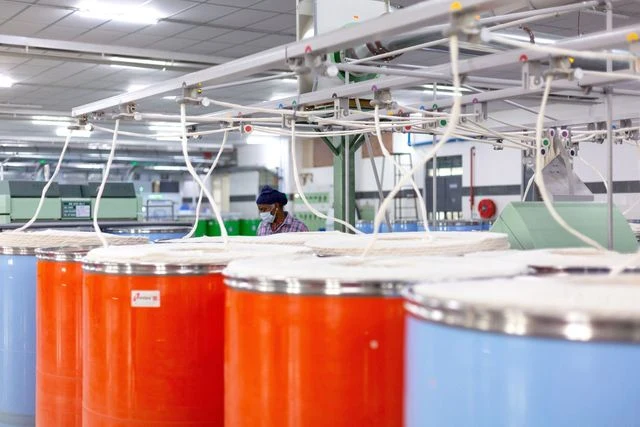
- Non-toxic inks and finishes

This design logic enables fibre recovery at end-of-life without complex mechanical or chemical separation processes. Returned garments are processed back into raw fibre feedstock, which is then respun into new yarn—maintaining material integrity within a continuous loop.
This approach moves sustainability beyond surface-level marketing claims and into material science and industrial engineering.
Renewable Energy as a Baseline, Not a Bonus
The eco-conscious future is energy-literate. Carbon-neutral claims are increasingly scrutinised, and offsets alone are no longer sufficient. The shift is toward direct renewable energy integration across manufacturing operations.
TrulyCircular.com operates production systems powered by renewable electricity. By reducing dependence on fossil-fuel-derived grid energy, the carbon intensity per garment decreases significantly.
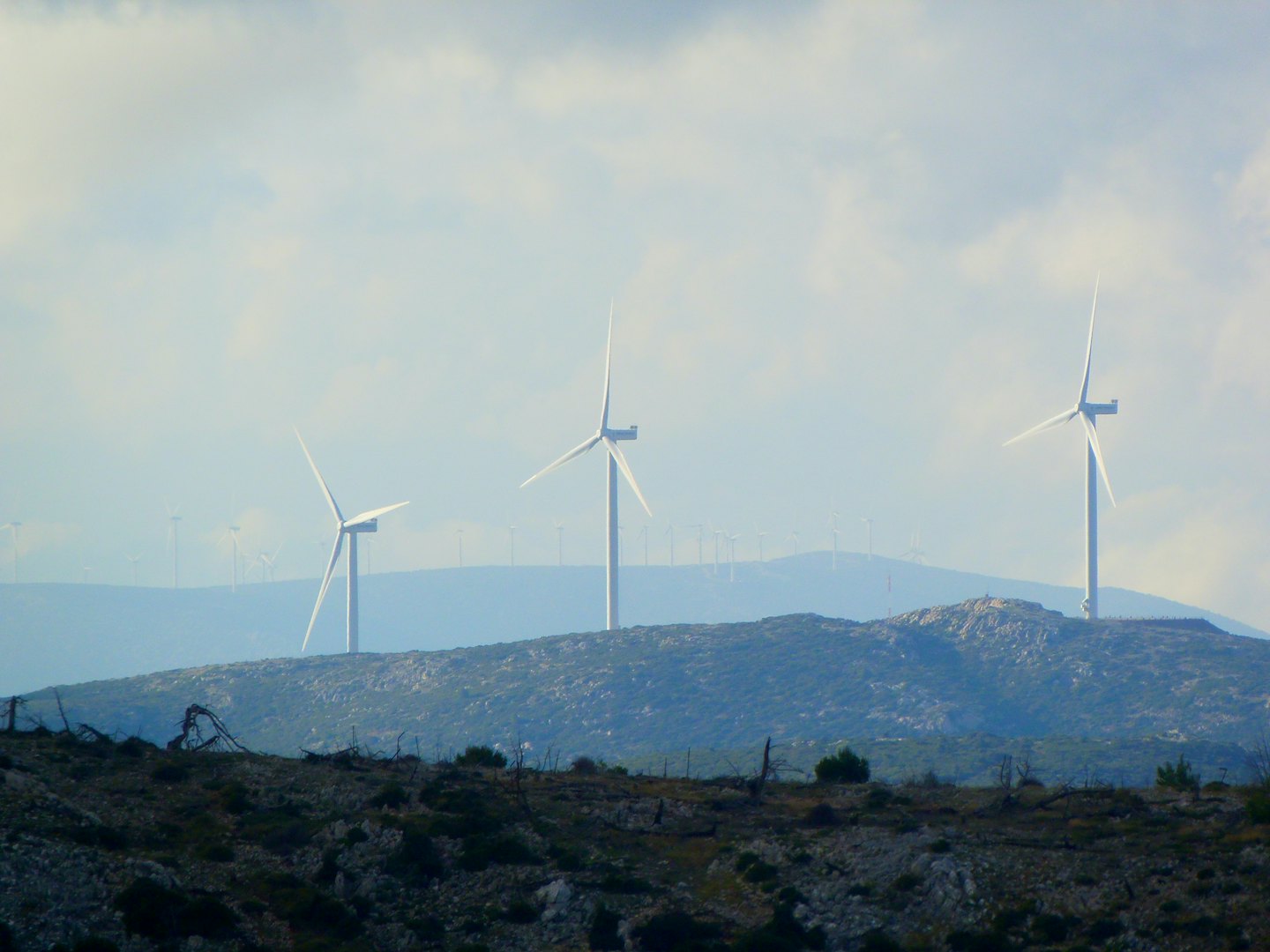

The implication is crystal clear and undeniable: sustainability needs to be deeply embedded within the very foundation of operational infrastructure from the outset, rather than being added on later as a mere afterthought or an after-the-fact adjustment.
On-Demand Manufacturing and Waste Elimination
One of the largest sources of fashion waste is overproduction. Unsold inventory leads to discounting, warehousing emissions, and disposal.
The next generation of apparel systems embraces on-demand manufacturing. Products are created only when a customer orders them. This eliminates:
- Overstock
- Dead inventory
- Seasonal surplus destruction
- Unnecessary storage emissions
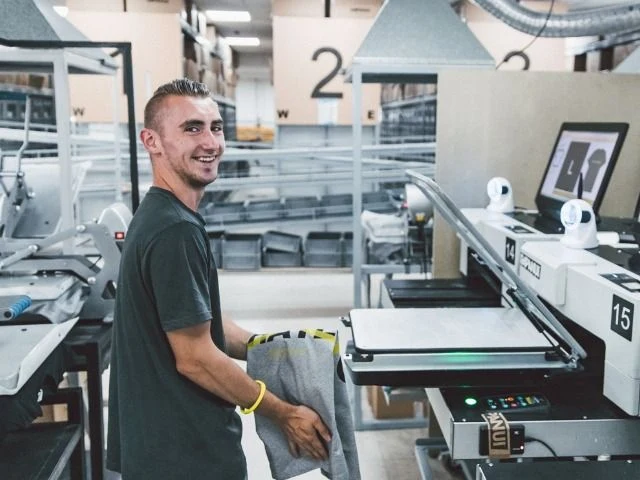
TrulyCircular.com leverages digital fulfilment workflows to ensure each garment is produced responsively rather than speculatively. The environmental and financial efficiencies are mutually reinforcing—proof that sustainability and commercial viability are not opposites but aligned outcomes.
Transparency as Infrastructure
The future of eco-conscious apparel is radically transparent.
Consumers increasingly expect traceability—where was this garment made? What fibre was used? What energy powered its production? How can it be returned?
TrulyCircular.com integrates transparency into its operating model by communicating material sources, production methods, and end-of-life pathways. This builds trust not through slogans, but through systems clarity.
Transparency also drives accountability. When lifecycle impacts are measurable, they can be optimised.
The Rise of Circular Commerce Models
Eco-conscious apparel is evolving beyond product ownership toward participation in material stewardship.
Return-for-recycling schemes are central to this evolution. Customers are incentivised to send worn garments back, ensuring fibres remain in productive circulation.
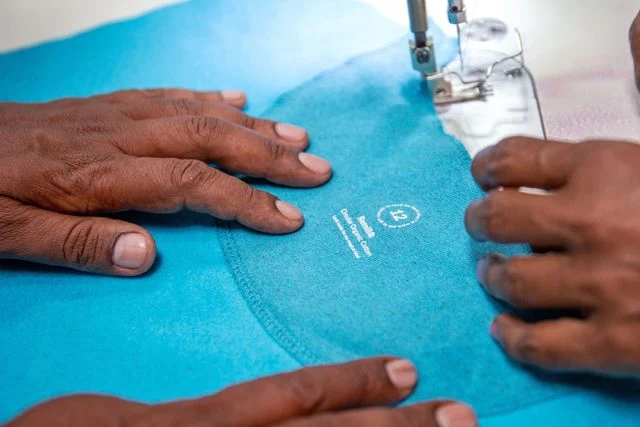
This model redefines the consumer relationship:
- From buyer → to participant
- From disposal → to regeneration
- From trend cycle → to material lifecycle
TrulyCircular.com operationalises this through prepaid return pathways and fibre recovery integration, transforming waste into feedstock.
Digital Platforms as Sustainability Accelerators
The integration of e-commerce and circular manufacturing unlocks powerful efficiencies. By combining:
- Direct-to-consumer logistics
- Automated order routing
- Data-driven production forecasting
- Lifecycle tracking
TrulyCircular.com creates a vertically integrated sustainability ecosystem.
Digital platforms are not merely sales channels—they are coordination engines. They synchronise supply and demand while embedding circular principles at every stage.
Cultural Shifts: Conscious Consumption as the Norm
Eco-conscious apparel is not only about materials and machinery. It is about mindset.
A generational shift is underway. Consumers increasingly value:
- Longevity over disposability
- Repairability over replacement
- Ethical production over fast turnover
- Environmental responsibility over impulse purchasing
Brands that fail to integrate sustainability into their operational DNA will struggle to remain relevant in this emerging landscape.
TrulyCircular.com aligns with this cultural evolution by embedding environmental stewardship into both product architecture and business model design.
The Future Outlook: Regenerative, Data-Driven, Closed-Loop
Looking ahead, the future of eco-conscious apparel will likely include:
- Advanced fibre-to-fibre chemical recycling
- Blockchain-based traceability
- AI-driven demand optimisation
- Localised micro-factories powered by renewables
- Subscription-based circular wardrobes
The key insight is this: sustainability will not remain a differentiator. It will become a baseline requirement.
TrulyCircular.com represents a blueprint for this future—where apparel is no longer extracted from finite systems and discarded, but continuously regenerated within them.
Conclusion
Eco-conscious apparel is transitioning from niche concept to structural necessity. The fashion industry is being redesigned through circular engineering, renewable infrastructure, and digital coordination.
The future belongs to platforms that integrate sustainability not as a feature—but as the foundation.
TrulyCircular.com exemplifies this integrated model, demonstrating that when material science, operational design, and environmental ethics converge, fashion can move from being part of the problem to becoming part of the solution.
The era of disposable clothing is closing. The era of circular apparel has begun.